BRAND VOICE
Some of my notes on brand voice from previous assignments. These reflections are unofficial, for illustrative purpose: they don’t reflect past or current guidelines, including those I wrote.
@Discord
Effortlessly playful. Dressed down, but crystal clear. Sometimes ironic; never, ever sarcastic. The key points of a four-page go-to-market brief need to feel like you’re dropping them into the group chat at 2AM.

hey is it okay if we make it so that everyone can just hop straight into voice calls from your @Playstation5 console? checking before we start rolling that out.
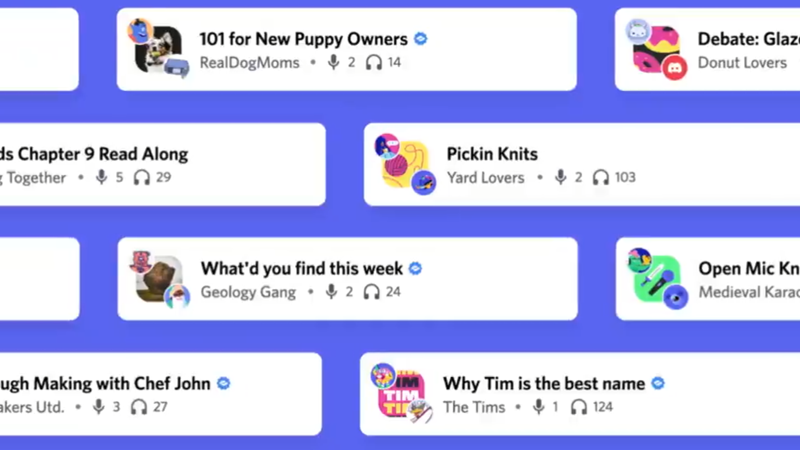
rollin out stage discovery! browse public audio events and hop into the audience. want to see what goes on in that one server? catch an open mic night? finally learn what macrame is? u r free to explore with 0 pressure

we've rebuilt the game overlay from the ground up for a snappier, smoother experience while you chat and game with your friends
ᕙ( •̀ ᗜ •́ )ᕗ
@Roblox
Paternal. Proud of your team and your developer community. Showing a small piece of a greater picture. Excited about what’s coming. In short, think of a NASA rep standing in front of a photo of something not previously known for being photographed.
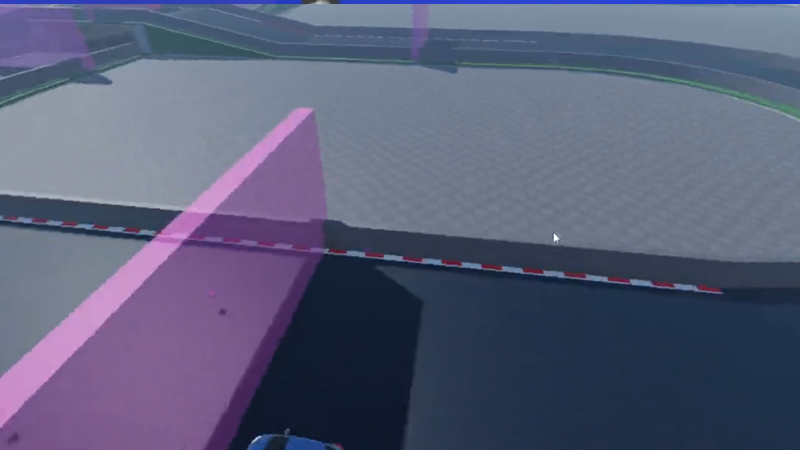
Wherever there’s new technology, our developers are there on the forefront — creating the next generation of high-quality, immersive virtual experiences.
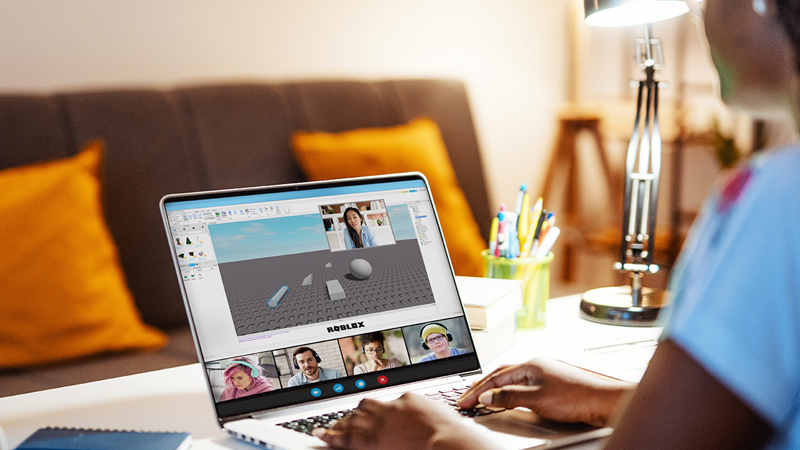
Roblox believes in hands-on learning. That’s why we’re proud to announce the Roblox Community Fund, an initiative supporting the innovative and hard-working educators who use our platform.

More than 65 million people explore Roblox every day, enjoying immersive experiences and connecting with users all over the world. Soon, Roblox will be accessible to even more people to enjoy - on Meta Quest and PlayStation.
@PyrodactylGames
Independent, punk rock, underground game-makers speaking to gamers who want to be part of something new. A peek behind the curtain with wicked, showmanlike energy—part Stan Lee, part Keith Flint.
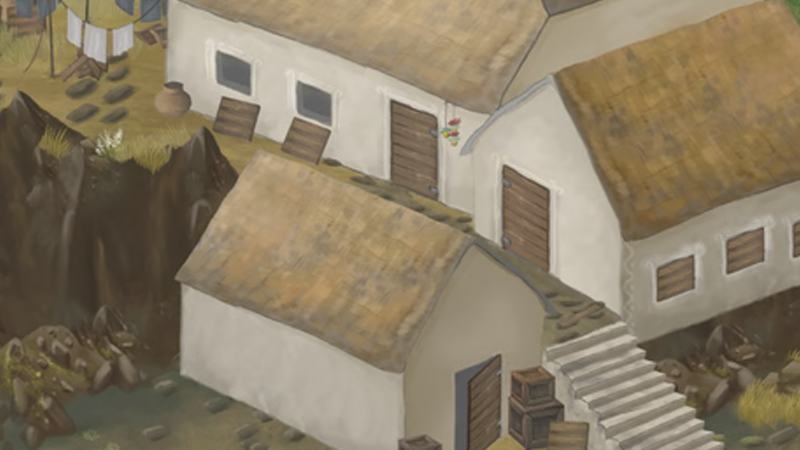
I have no idea when Arvind sleeps. That’s not comedy, it’s a true fact I find genuinely unnerving. Earlier in this project there would be the hours Arvind was awake, and always working, and the hours Arvind was asleep, and—I somewhat hesitantly assume—not working. We have moved past this transitional phase of his biology.
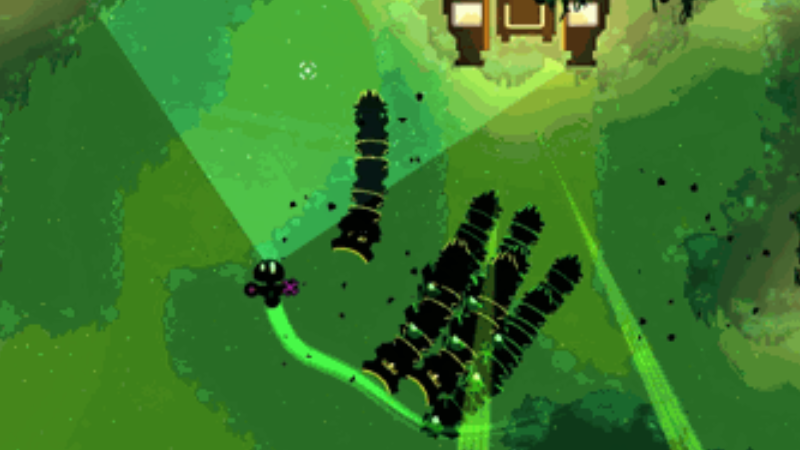
I think we’ve all got the basic idea: coding is “hard” and “interesting” and “requires technical skill” and “can be objectively assessed.”
But is it really the most fundamental part of a videogame? What would Killzone, Rocket League, and Neko Atsume be without their rich internationally-beloved canons? And if it weren’t for Final Fantasy villains, how would you know which of your old forum accounts to be embarrassed by?
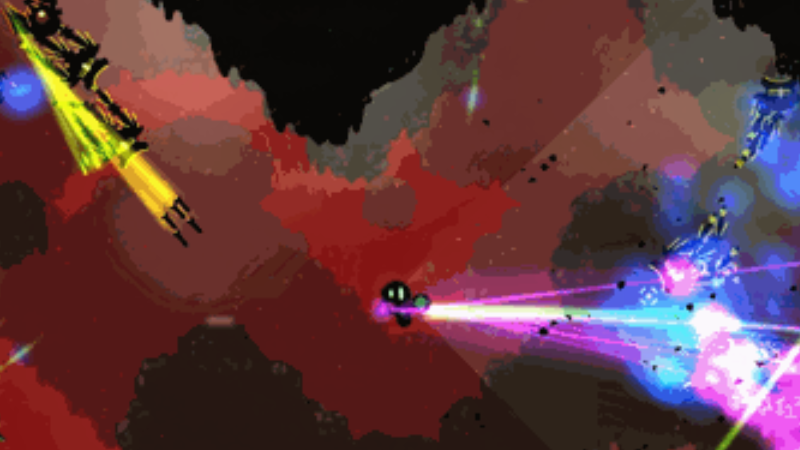
You might be tempted to give up in frustration after a few deaths, but you’ll discover it’s infinitely more satisfying to rage-quit after thirty or forty.
@FAIMS
Engineers speaking to colleagues in the humanities: warm and steady. Accessible yet respectful, grounding all technical details in the reader’s needs and interests. Wry in a simple way. Everyone is working, and you’re all doing what you love.
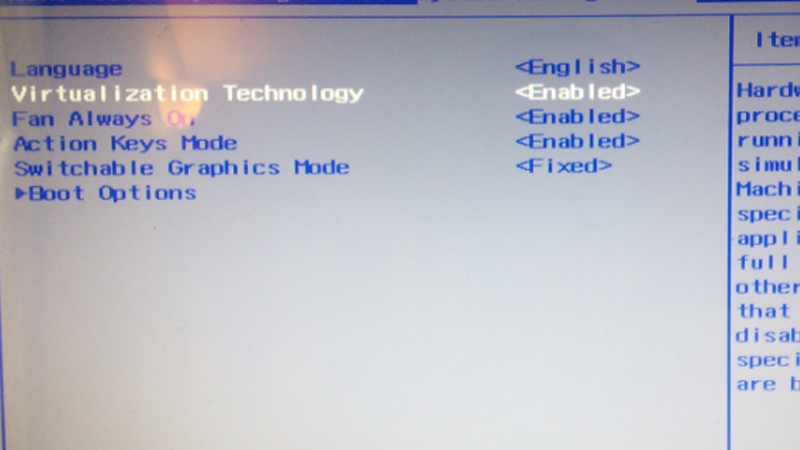
In summary, you’re going to make your module by following these steps:
>Learn what the components of a module are and what they do.
>Download tools that allow you to create module components (or “necessary files”) based on a set of instructions.
>Learn how to write those instructions so that the necessary files you produce will create the module you want.
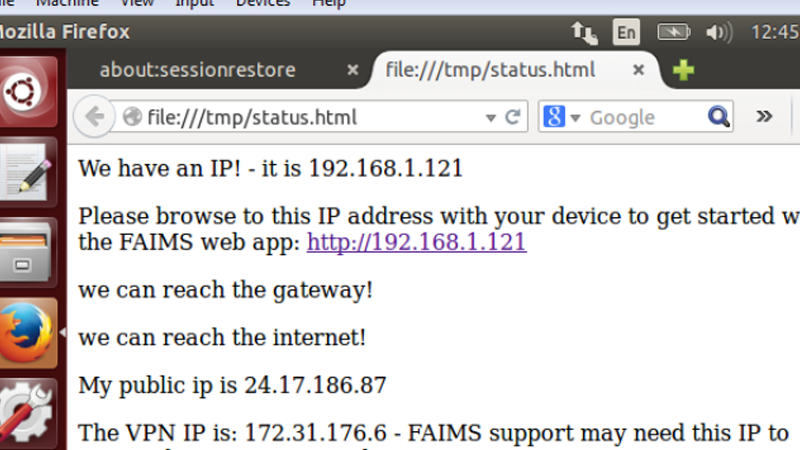
And there you have it. That’s essentially what making a module with a module.xml file will look like.
Of course, as you’ve probably realized, the part we glossed over—designing and troubleshooting module.xml—was the tricky part. Fortunately, it’s not that tricky after all.
Let’s learn how to code a module.

For one thing, FAIMS treats the records you collect with an eye towards preservation. If you and another researcher enter in conflicting records, one of you doesn’t “save over” the other; both of your contributions are preserved.